

A Legacy of Giving: Mary Topp

Mary Topp’s Love for Hastings Lives On at Alexander Park

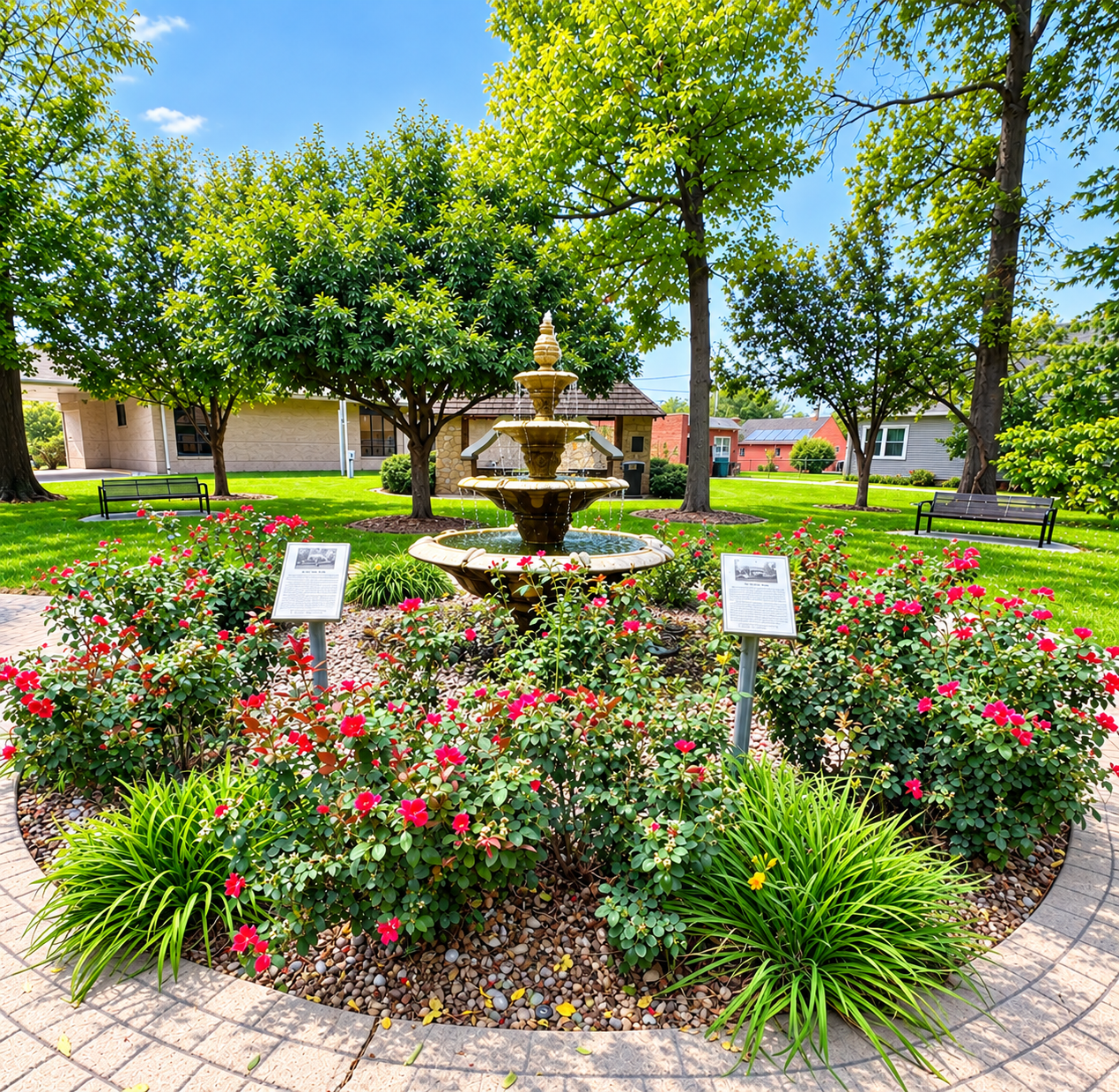
For generations, Alexander Park has been more than a beautiful gathering place—it has been a tangible connection to the people and history that helped shape Hastings.

Located on the original 160-acre homestead of Samuel and Harriet Alexander, the park carries a legacy dating back to the earliest days of Hastings. Samuel Alexander, a Civil War veteran and community leader, served as the city’s first merchant and postmaster, as well as city treasurer and mayor. Upon his death in 1908, he was honored as the “First Citizen of Hastings.”

In 1936, neighbor and friend Helen Babcock donated the property to the City of Hastings as a memorial park honoring the Alexander family. Today, the park serves as an important southern gateway to the Central Hastings Historic District.

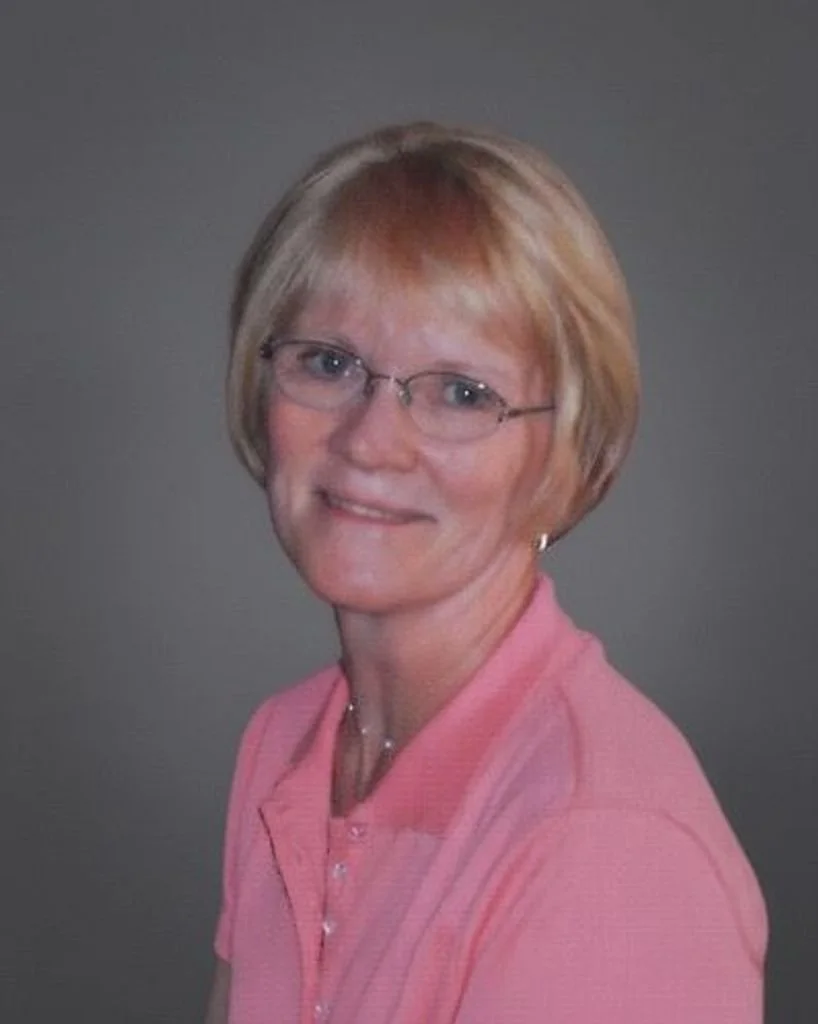
Decades later, Hastings native Mary Topp helped ensure Alexander Park would continue to tell its story.

Mary grew up in Hastings and maintained a deep love for her hometown throughout her life. Although she eventually moved to Mankato, Minnesota, she traveled extensively, visiting all seven continents. Her connection to Hastings remained strong, and she ultimately returned home to be laid to rest.

Her family also had deep roots in the community. Her parents owned and operated Topp’s Floral Shop in Hastings for more than 30 years, giving Mary a lifelong appreciation for landscaping, greenery and community beautification. Her mother, Ruth Topp, also had a deep appreciation for Hastings’ history and heritage.

In 2004, Mary made a generous gift to the City of Hastings to revitalize Alexander Park, which had fallen into disrepair, in honor of her parents, Tage Winther Topp and Ruth Carlile Topp. The gift reflected the Topp family’s longstanding commitment to beautifying Hastings. For two generations, from 1928 to 1974, Topp’s Flowers and Gifts served Hastings and surrounding communities, combining horticultural expertise, creativity and a dedication to service. Tage’s knowledge of horticulture and Ruth’s talents in business and floral design helped shape countless public and private celebrations and contributed to Hastings’ reputation as one of the most progressive and beautiful communities on the western prairie.

Mary’s gift helped restore Alexander Park while honoring its historic character, including the stabilization and cleaning of the iconic 1938 rustic limestone shelter, improvements to the landscaping, and the planting of new trees and greenery. The restoration culminated in an Arbor Day celebration, when descendants of the Alexander family returned to Hastings for the ribbon-cutting and ceremonial tree planting.

Mary’s commitment to Alexander Park continued long after the restoration was complete. When she passed away in 2026, she left a generous gift to the Hastings Community Foundation to help preserve Alexander Park for years to come. Through this gift, Mary entrusted the Foundation with carrying forward her commitment to a place that held special meaning to her and to the Hastings community.

The Hastings Community Foundation is honored to help carry out Mary’s wishes and ensure her generosity continues to make an impact well into the future.

Her first gift helped restore Alexander Park. Her final gift to the park will help ensure it continues to thrive.

Together, Mary’s gifts represent a lasting legacy of giving—one that began with restoring a treasured piece of Hastings history and continues through an investment in its future.

Through Mary Topp’s generosity and the Hastings Community Foundation’s stewardship, Alexander Park will remain a place where Hastings’ past meets its future, providing generations to come with a meaningful connection to the history and heritage of their community.

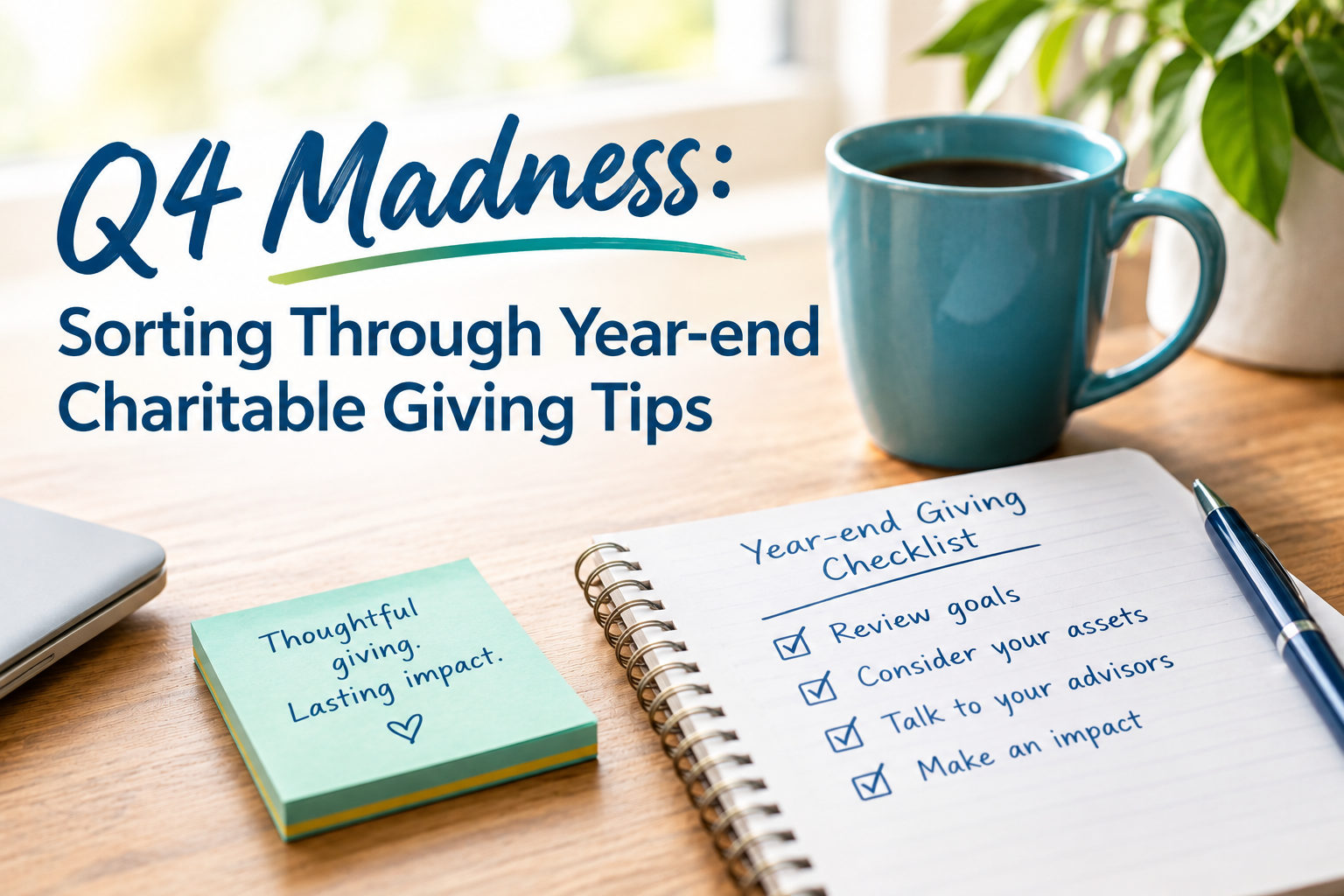
Q4 Madness: Sorting Through Year-end Charitable Giving Tips

If your email inbox (or even your actual mailbox) is any indication, year-end must be right around the corner! You’ve likely already started to get reminders, tax tips, charitable giving strategies, and appeals from organizations you care about. It can be a lot! The good news is that thoughtful year-end giving does not have to be complicated. The Hastings Community Foundation can help you sort through the noise, coordinate with your tax and financial advisors, and focus on the decisions that really matter. 

In that spirit, we’ve created five action steps to help you make sense of your year-end giving strategies:

1.      Think about what you want your giving to accomplish.

Before you talk with your advisors about tax deductions and which assets to give to a charity, start with the most important question: What do you want your charitable dollars to do? Perhaps you want to continue supporting the organizations you give to every year. Maybe you’d like to respond to an emerging community need, involve your children or grandchildren in giving, or set aside resources now for charitable decisions you’ll make later. 

The Hastings Community Foundation can help you identify organizations you might not yet know about and share what we’re seeing and learning about our community’s needs.

2.      Pay attention to what you give, not just how much.

Writing a check or using a credit card may be convenient, but cash is not necessarily the most tax-efficient asset to give. If you own publicly traded stock or other assets that have appreciated significantly, donating those assets directly may allow you to avoid capital gains tax that could apply if you sold the asset first, while potentially qualifying for a charitable deduction based on fair market value, subject to applicable rules and limitations.

This is an area where the Hastings Community Foundation can be especially helpful. We can accept not only publicly traded securities but also more complex assets, such as gifts of grain or real estate. Before selling a highly appreciated asset, talk with your advisors and the HCF. A conversation before the sale can open up options that may disappear once the transaction is complete.

3.      Don't wait until the last week of December—please!

Perhaps the simplest year-end tip is also one of the most important: Start now.

Stock gifts take time to transfer. Gifts of real estate and other complex assets may require appraisals, due diligence, and coordination among multiple advisors. Even a relatively straightforward charitable plan can become more difficult when everyone is racing against a December 31 deadline.

Now is the time to take stock of what you’ve already given this year, what you still hope to accomplish, and which assets might make the most sense to use.

And you don't need to figure it all out yourself. Bring the Hastings Community Foundation team into the conversation with your CPA, financial advisor, or estate planning attorney. We can help you explore your options, coordinate the charitable pieces of the plan, and keep the focus where it belongs: using your generosity to accomplish what matters most to you.

4.      Take another look at the 2026 tax rules.

This year brought important changes to the federal tax rules for charitable giving. Among them, taxpayers who itemize generally can deduct charitable contributions only to the extent the contributions exceed 0.5% of adjusted gross income. For taxpayers in the highest federal income tax bracket, a new limitation also generally reduces the maximum federal income tax benefit of itemized deductions from 37% to 35%.

At the same time, taxpayers who do not itemize may now claim a deduction of up to $1,000 for individuals and $2,000 for married couples filing jointly for qualifying cash gifts to certain public charities. (Note that gifts to donor-advised funds do not qualify for this new deduction.)

What does all of that mean for you? Potentially, that the timing and structure of your giving deserve another look. For example, some donors may benefit from “bunching” several years of charitable contributions into a single year rather than giving the same amount every year. The Hastings Community Foundation can work alongside your tax advisor to help you explore approaches that fit both your charitable plans and your tax situation.

5.      If you are 70½ or older, don't overlook your IRA.

A qualified charitable distribution, or QCD, can be one of the most useful charitable planning tools available to eligible IRA owners. In 2026, eligible IRA owners age 70½ and older may direct up to $111,000 from an IRA. A QCD is excluded from taxable income and, for donors who are subject to required minimum distributions, can count toward satisfying the RMD.

There are important rules about where QCDs can go. For example, they cannot be made to donor-advised funds. But the Hastings Community Foundation offers other types of funds that can receive QCDs, including, in many cases, designated funds that support particular charities, field-of-interest funds focused on particular causes, and unrestricted funds that allow the community foundation to respond to changing community needs.

If you are eligible for a QCD, ask your advisors and the HCF team whether it makes sense to incorporate one into your year-end giving.


National DAF Day is October 8th

 National DAF Day Highlights Opportunities to Make a Lasting Community Impact

October 8 is National Donor-Advised Fund Day, a time to recognize how individuals and families can use charitable giving to make a meaningful difference in the communities they love.

For the Hastings Community Foundation, National DAF Day is more than a celebration of donor-advised funds (DAFs). It’s an opportunity to encourage people to think about what matters most to them—and how their generosity can create lasting impact.

A DAF can be a valuable tool for organizing charitable giving, but it can also be the beginning of a larger philanthropic journey. The Hastings Community Foundation works with individuals, families, and organizations to develop giving strategies that reflect their values and vision for the future.

“Philanthropy is about more than simply making a gift,” said Laura Stutte, Operations Coordinator for the Hastings Community Foundation. “It’s about understanding the needs of our community, supporting the causes that matter most to you, and creating a legacy that can make a difference for years to come.”

There are many ways to make an impact, including:

  • Donor-advised funds: Recommend grants to organizations and causes you care about.

  • Estate gifts: Include charitable giving in your will or estate plans to create a lasting legacy.

  • IRA charitable gifts: Use retirement assets to support charitable causes.

  • Family philanthropy: Involve future generations and create a shared vision for giving.

Whether you already have a DAF, are considering moving your DAF to the Hastings Community Foundation, or are beginning to explore your family's philanthropic goals, the HCF can help.

National DAF Day is a reminder that generosity doesn’t have to end with a single gift. With thoughtful planning, your giving can strengthen the community today and create opportunities for generations to come.

To learn more about donor-advised funds and charitable giving opportunities, contact the Hastings Community Foundation by visiting our office at 620 W. 2nd Street, exploring hastingscommunityfoundation.org, or calling us at 402-462-5152.